

Introduction to Series Filming
Series filming has transformed the global entertainment industry, reshaping how stories are told and consumed. Unlike standalone films, a television or streaming series unfolds across multiple episodes and seasons, allowing deeper character development, layered plots, and immersive world-building. The rise of digital platforms has dramatically accelerated this evolution, with companies like Netflix pioneering binge-watching culture and redefining audience expectations. Meanwhile, established networks such as HBO elevated production quality to cinematic levels, proving that episodic storytelling could rival blockbuster films in scope and artistry. Streaming services like Amazon Prime Video further expanded the global reach of series, making international productions more accessible than ever before.
At its core, series filming is a complex, collaborative process that combines creative vision with logistical precision. It requires long-term planning because a series is not just about a single storyline but an overarching narrative arc that spans seasons. From drama and comedy to science fiction and documentary formats, each genre demands a unique production approach. Series filming also differs from feature films in its time structure, budget allocation, and workflow. Instead of wrapping production after a few months, a successful series may continue for years, requiring sustained coordination among writers, directors, producers, actors, and technical crews. This longevity makes series filming both an artistic marathon and a strategic business endeavor.
Development and Pre-Production Building the Blueprint
The development phase is where a series truly begins to take shape. It starts with an idea—often a simple concept that grows into a fully realized world. Writers craft a compelling pilot episode designed to capture the tone, introduce central characters, and establish the primary conflict. Alongside the script, creators develop a show bible, a comprehensive document outlining character backstories, thematic direction, and long-term plot developments. This blueprint ensures narrative consistency across episodes and seasons. Producers play a crucial role during this stage, refining the concept, aligning it with target audiences, and preparing pitch materials for networks or streaming platforms. Securing a greenlight can take months of revisions, negotiations, and creative adjustments.
Pre-production transforms the written vision into a practical plan. Budgeting becomes a priority, as producers estimate costs for cast salaries, crew wages, equipment rentals, set construction, costumes, and post-production work. Casting directors conduct auditions to find performers who embody the characters authentically. Location scouts search for settings that align with the story’s aesthetic, whether urban landscapes, rural backdrops, or constructed soundstages. Scheduling is meticulously organized to optimize time and resources, often using block shooting techniques to film multiple episodes simultaneously. Every decision during pre-production influences the efficiency and quality of the filming process, making this stage one of the most critical foundations for success.
Production Phase Lights, Camera, Action
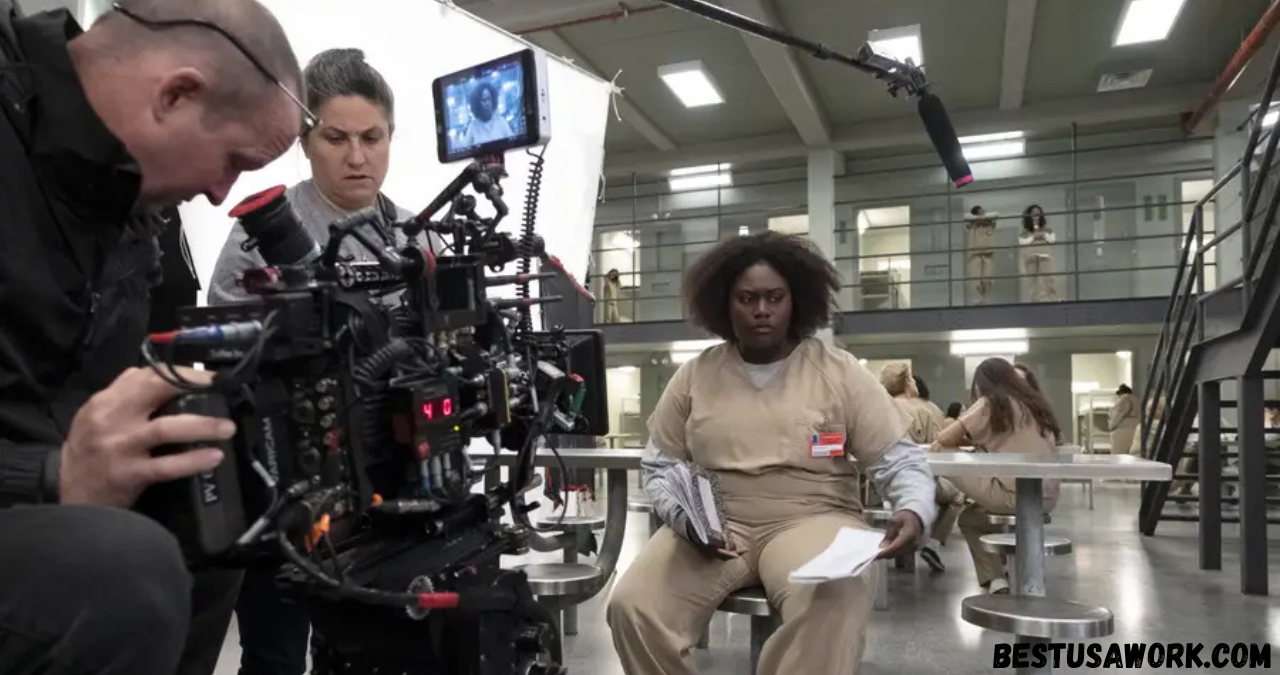
The production phase is where scripts come alive through performance and visual storytelling. On set, the director interprets the script and guides actors in delivering emotionally resonant performances. In a series, the showrunner oversees creative continuity, ensuring that each episode aligns with the overall narrative vision. Cinematographers design the visual language of the show through lighting, camera movement, and framing, while production designers craft immersive environments that reflect the story’s tone. Whether using a single-camera setup for a cinematic feel or a multi-camera approach for sitcom efficiency, the filming style shapes the audience’s viewing experience.
Daily operations on set require precision and adaptability. Crew members follow detailed call sheets outlining scenes, locations, and schedules for each shoot day. Unexpected challenges—such as weather changes, technical malfunctions, or actor availability conflicts—demand quick problem-solving. Safety protocols are strictly enforced to protect cast and crew, particularly during stunt sequences or complex shoots. Collaboration remains the driving force behind production success, as departments must coordinate seamlessly to maintain continuity and meet deadlines. Because series often work under tight timelines, efficiency is paramount. Each completed scene brings the project closer to transforming raw footage into a cohesive, engaging episode.
Post-Production and Distribution Shaping the Final Experience

Post-production is where the series truly takes its final form. Editors assemble footage into structured episodes, selecting the best takes and refining pacing to maintain dramatic tension. Sound designers enhance dialogue clarity, create atmospheric effects, and integrate music that underscores emotional moments. Visual effects teams add digital elements, from subtle enhancements to elaborate CGI sequences. Color grading ensures visual consistency across scenes, enhancing mood and tone. In a series, maintaining continuity across episodes is especially important, as audiences expect seamless storytelling from one installment to the next.
Once finalized, the series moves into distribution and marketing. Trailers, teasers, and promotional campaigns build anticipation among viewers. Social media engagement fosters community interaction and amplifies buzz around premiere dates. Distribution strategies vary depending on the platform—traditional broadcast television may follow a weekly release schedule, while streaming platforms often release entire seasons simultaneously. Analytics play a growing role in evaluating performance, providing insights into audience behavior and engagement patterns. Successful distribution extends beyond domestic markets, with international licensing deals expanding global reach. In today’s competitive media landscape, strategic marketing can significantly influence a series’ longevity and renewal prospects.
Technology and Global Trends in Series Filming

Technological innovation continues to reshape series filming, making production more efficient and visually dynamic. Digital cinematography has largely replaced traditional film stock, allowing for immediate playback and streamlined workflows. Virtual production techniques, including LED volume stages and real-time rendering, enable filmmakers to create immersive environments without extensive location travel. Remote collaboration tools allow editors, writers, and producers to work across continents, reflecting the increasingly global nature of the industry. Artificial intelligence is also emerging as a supportive tool in script analysis, editing workflows, and audience data interpretation.
Global trends reveal a growing appetite for diverse storytelling. International series are gaining mainstream recognition, breaking language barriers and attracting worldwide audiences. Cross-border co-productions pool resources and talent from multiple countries, enhancing creative diversity and financial viability. Streaming platforms have accelerated this globalization by providing access to content beyond traditional geographic limitations. Cultural authenticity has become a key factor in audience engagement, as viewers seek stories that reflect varied experiences and perspectives. As technology and global collaboration continue to evolve, series filming remains at the forefront of innovation, shaping the future of entertainment in unprecedented ways.
Conclusion
Series filming represents a remarkable blend of creativity, strategy, and collaboration. From the earliest stages of concept development to the final stages of post-production and distribution, every step requires careful planning and artistic dedication. The unique structure of episodic storytelling allows creators to explore complex narratives over extended periods, fostering deeper emotional connections with audiences. Unlike standalone films, series evolve with viewer feedback and market trends, often adapting to remain relevant across multiple seasons. This adaptability is one of the defining strengths of series production.
