

Introduction
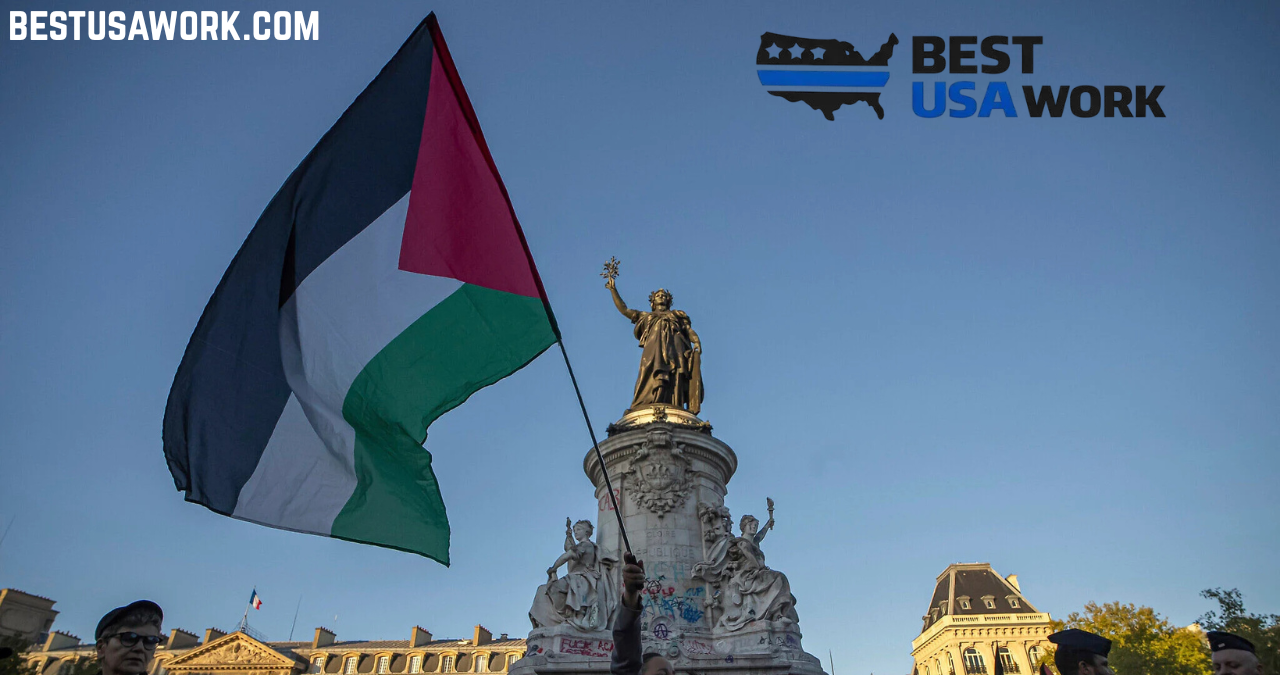
The Palestine flag is far more than a simple piece of fabric; it is a symbol deeply woven into the history, identity, and struggles of the Palestinian people. Every color and line in the flag carries a story, reflecting centuries of resilience, hope, and cultural heritage. To understand the flag is to understand the narrative of a people striving for recognition, unity, and peace. It is a symbol that transcends borders and political debates, representing a community’s longing for dignity and a homeland.
The significance of the Palestine flag extends beyond its physical representation. It embodies the collective memory of generations who have fought for autonomy and human rights. In modern times, it has become an international emblem, seen at protests, cultural events, and diplomatic arenas. Yet, for many, its origins and the meanings behind its colors are not widely known. Exploring these aspects provides valuable insight into how symbols can inspire solidarity and convey profound messages of resistance and identity.
This article delves into the origins, historical evolution, and symbolism of the Palestine flag. It also examines its contemporary relevance and global recognition, offering readers a complete understanding of one of the most recognizable flags in the world. By the end of this article, readers will gain not only historical knowledge but also an appreciation for the cultural and political significance of this powerful symbol.
History of the Palestine Flag
The origins of the Palestine flag are closely tied to the Arab Revolt against Ottoman rule in 1916. During this period, several Arab leaders adopted flags with similar colors—black, white, green, and red—to represent unity, resistance, and Arab identity. These colors, known as Pan-Arab colors, symbolize different eras of Arab history and ideals: black for the Abbasid Caliphate, white for the Umayyads, green for the Fatimids, and red for the Hashemites. Although these flags were not specific to Palestine at the time, they laid the foundation for a future national emblem.
In the early 20th century, Palestinians began to adopt variations of these Pan-Arab colors to express their unique identity. These early designs were not standardized and often appeared in political gatherings, local protests, and cultural events. Despite this lack of uniformity, the essence of the flag—representing unity and the aspiration for sovereignty—remained consistent. It served as a visual statement of resistance and a marker of identity amidst rising tensions in the region.
These early iterations of the Palestine flag were crucial in establishing a sense of national identity. They symbolized the collective aspirations of Palestinians during times of political upheaval and foreign occupation. Even in fragmented designs, the colors conveyed solidarity, pride, and hope. The flag was not just a decorative emblem but a rallying point for communities striving for recognition and self-determination.
Adoption as the National Symbol
The modern Palestine flag, as recognized today, was formally adopted by the Palestine Liberation Organization (PLO) in 1964. The PLO chose a design rooted in Pan-Arab symbolism but adapted to represent the Palestinian struggle specifically. The triangular red section and horizontal stripes of black, white, and green became emblematic of both historical continuity and contemporary resistance. This adoption marked a pivotal moment in Palestinian history, unifying various political and social movements under a single, recognizable symbol.
The flag quickly became a visual cornerstone of national identity, displayed at rallies, international forums, and educational institutions. Its adoption formalized a centuries-long journey of visual representation for the Palestinian cause. The standardization helped strengthen its role as a unifying emblem, bringing together Palestinians across geographic and political divides. It was no longer just a symbol of protest—it became an international representation of a people seeking recognition and justice.
Official recognition of the Palestine flag was not immediate on the global stage. Various countries and international organizations debated its status, reflecting the broader political complexities surrounding the Palestinian struggle. Nonetheless, the flag remained an enduring symbol of hope and identity for Palestinians worldwide, proving that cultural and political symbols can outlast the delays of formal recognition.
Historical Events Associated with the Flag
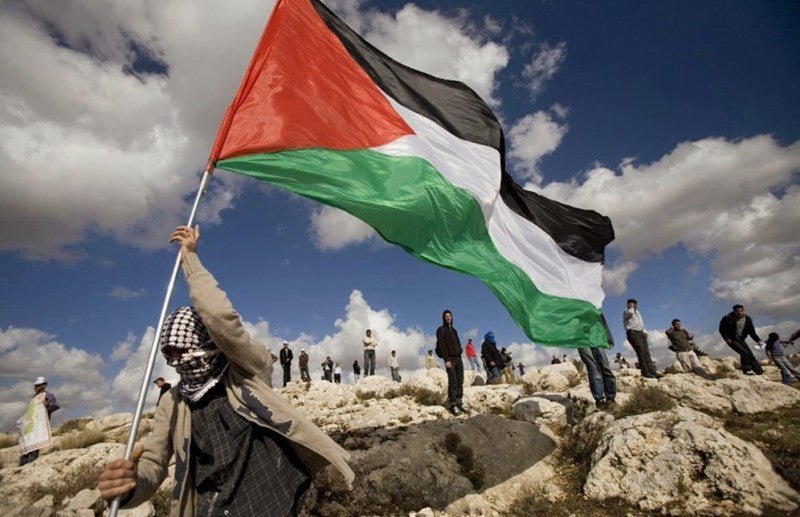
The Palestine flag has played a visible role in numerous historical events, cementing its place as a symbol of resistance and unity. During the First and Second Intifadas, for example, the flag became a rallying point for mass demonstrations, symbolizing collective defiance and resilience. Images of the flag waving above protest crowds became iconic, representing both the struggle for self-determination and the aspiration for peace.
In international diplomacy, the flag has been raised at various forums to signify Palestinian representation. Even where formal recognition was limited, the mere display of the flag carried a message of identity, solidarity, and political voice. It has appeared at cultural festivals, human rights events, and global demonstrations, further embedding itself in the international consciousness.
Historically, the flag also serves as a reminder of the sacrifices made by generations of Palestinians. From early revolts to modern-day movements, its presence has been constant, a visual testament to endurance and determination. Every occasion where the flag is displayed connects past struggles with present challenges, making it both a historical artifact and a living symbol of a nation’s ongoing story.
Symbolism and Meaning
The Palestine flag’s four colors carry deep symbolic meanings, each representing different aspects of history and identity. Black, for instance, signifies the Abbasid Caliphate and serves as a symbol of endurance and resilience. White represents the Umayyad dynasty and symbolizes peace and hope for a brighter future. Green, associated with the Fatimid Caliphate, is linked to fertility, life, and the Palestinian homeland itself. Red, the most striking color, represents the Hashemite lineage and the blood of those who sacrificed for freedom and justice.
Together, these colors reflect a continuity of Arab heritage while highlighting the distinct struggle of Palestinians. They are more than aesthetic choices; they are reminders of the historical and ongoing battles for justice, unity, and identity. Each color carries weight and tells a story of perseverance, hope, and the collective dream of a free Palestine.
The arrangement of colors in the flag is also deliberate. Horizontal stripes of black, white, and green intersect with a red triangle at the hoist, symbolizing both unity and forward movement. The design visually conveys a sense of progress, resilience, and steadfastness, mirroring the aspirations of the Palestinian people throughout history.
Design and Structure
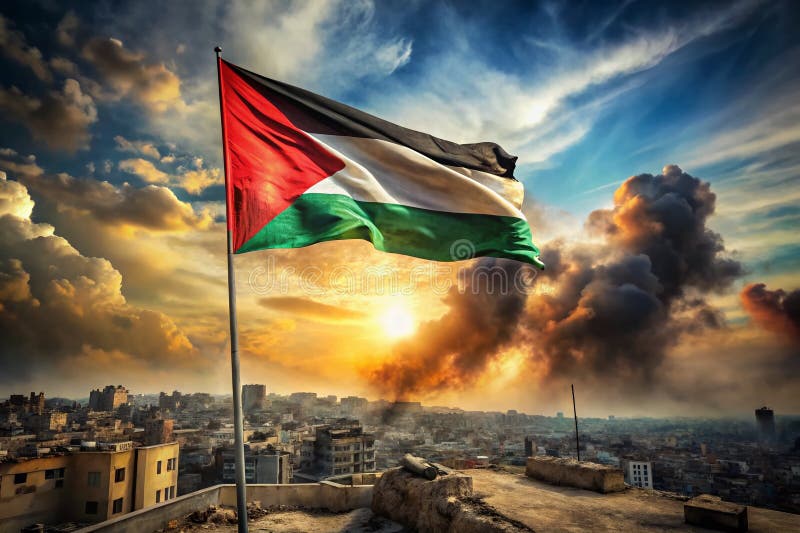
The triangular design of the Palestine flag is both symbolic and strategic. The red triangle points forward, indicating determination and ambition, while the horizontal stripes suggest stability and continuity. This structure is visually striking, making the flag easily recognizable across cultures and borders. Its simplicity ensures that it can be reproduced in a variety of mediums, from printed materials to large-scale banners, while retaining its symbolic power.
The red triangle is not merely a design element—it represents the sacrifices of those who fought for freedom. The horizontal stripes encapsulate the rich history of the Arab world and the Palestinian narrative specifically. Together, they form a flag that is visually balanced and laden with meaning, serving as a daily reminder of collective memory and national identity.
Cultural and Political Significance
Beyond its colors and design, the Palestine flag is a powerful cultural and political emblem. It unites Palestinians across regions, religions, and political affiliations. For Palestinians in exile or living in diaspora communities, the flag becomes a tangible connection to their homeland and a reminder of their heritage. It is frequently displayed during cultural festivals, educational events, and public gatherings, serving both as an identity marker and a tool for raising awareness.
Politically, the flag represents the Palestinian struggle for recognition and self-determination. Its presence at international forums underscores the ongoing dialogue about statehood, sovereignty, and human rights. The flag transcends mere symbolism; it acts as a voice, a banner under which people rally for justice, equality, and cultural preservation. Its significance continues to grow as it becomes more widely recognized globally.
The Palestine Flag in Modern Times
In contemporary times, the Palestine flag is seen in homes, schools, and community centers, as well as in social media and digital campaigns. It has become a symbol of pride and identity for Palestinian communities worldwide. Families display it during national holidays, cultural events, and even private celebrations to emphasize heritage and unity. Its visibility helps maintain cultural continuity, even for those living far from the historic homeland.
The flag is also widely used in protests, demonstrations, and advocacy campaigns. Its presence signals solidarity and amplifies voices demanding justice and recognition. Social media platforms have further increased its visibility, allowing individuals to share images, artwork, and messages featuring the flag. This digital presence strengthens global awareness and ensures that its symbolic power is felt far beyond the region.
International Recognition and Controversies

The Palestine flag has garnered varying degrees of recognition across countries and international organizations. While some nations officially acknowledge the flag as a symbol of Palestinian statehood, others limit its display due to political sensitivities. Despite these challenges, the flag continues to serve as an important diplomatic and cultural emblem. Its display in international settings communicates identity, resilience, and solidarity, even when formal recognition is limited.
Political controversies surrounding the flag often reflect broader tensions in the Middle East. However, its consistent presence in global forums, protests, and cultural events demonstrates the resilience of Palestinian identity. It remains a powerful tool for advocacy, signaling unity and determination in the face of political obstacles.
Influence on Art and Media
The Palestine flag has also inspired creative expression in art, music, literature, and fashion. Artists frequently incorporate the flag into paintings, murals, and digital artwork to convey political messages or celebrate heritage. Musicians and poets reference the flag in lyrics and verses, linking creativity to activism and identity.
In fashion and popular culture, the flag is used in clothing, accessories, and merchandise to express solidarity. This cultural proliferation helps educate global audiences about Palestinian history and struggles, making the flag both a symbol of identity and a medium for raising awareness. Its influence demonstrates how symbols can transcend politics to inspire artistic and cultural dialogue worldwide.
How to Respectfully Display and Use the Palestine Flag
Respectful display of the Palestine flag is essential to preserve its cultural and political significance. The flag should be treated with dignity, displayed in clean and proper conditions, and used in ways that honor its symbolism. Avoid using it as casual decor or for commercial purposes without understanding its importance, as this can be seen as disrespectful.
Common misconceptions about the flag often arise from its association with political conflicts. It is important to remember that the flag represents heritage, identity, and unity, not just political stances. Educational initiatives and awareness campaigns can help ensure proper understanding, teaching communities the historical and cultural narratives that the flag embodies.
By observing respectful practices, individuals and organizations can honor the Palestinian identity and convey solidarity in meaningful ways. Proper usage reinforces the flag’s role as a unifying and inspiring symbol, strengthening both cultural pride and global awareness.
Conclusion
The Palestine flag is more than a national emblem; it is a living symbol of identity, history, and resilience. Its colors and design reflect centuries of cultural heritage, political struggle, and the enduring hope of the Palestinian people. From its origins in the Arab Revolt to its modern presence in art, protests, and digital platforms, the flag continues to inspire unity and solidarity across the globe.
Understanding the flag’s meaning and history allows for a deeper appreciation of Palestinian identity. Its symbolism extends beyond politics, touching on culture, heritage, and shared memory. As both a historical artifact and a modern emblem, the Palestine flag embodies the spirit of a people determined to preserve their identity and tell their story to the world.
FAQs
- What do the colors of the Palestine flag represent?
Black represents the Abbasid Caliphate, white the Umayyads, green the Fatimids, and red symbolizes the sacrifices of those who fought for freedom. - When was the Palestine flag officially adopted?
The modern Palestine flag was officially adopted by the Palestine Liberation Organization (PLO) in 1964. - How is the flag used in protests and international events?
The flag is displayed at rallies, demonstrations, and international forums to symbolize Palestinian identity and unity. - Is the Palestine flag recognized worldwide?
Recognition varies; some countries and organizations acknowledge it officially, while others limit its display due to political sensitivities. - Can anyone display the Palestine flag freely?
Yes, but it is important to use it respectfully, understanding its historical, cultural, and political significance.
