

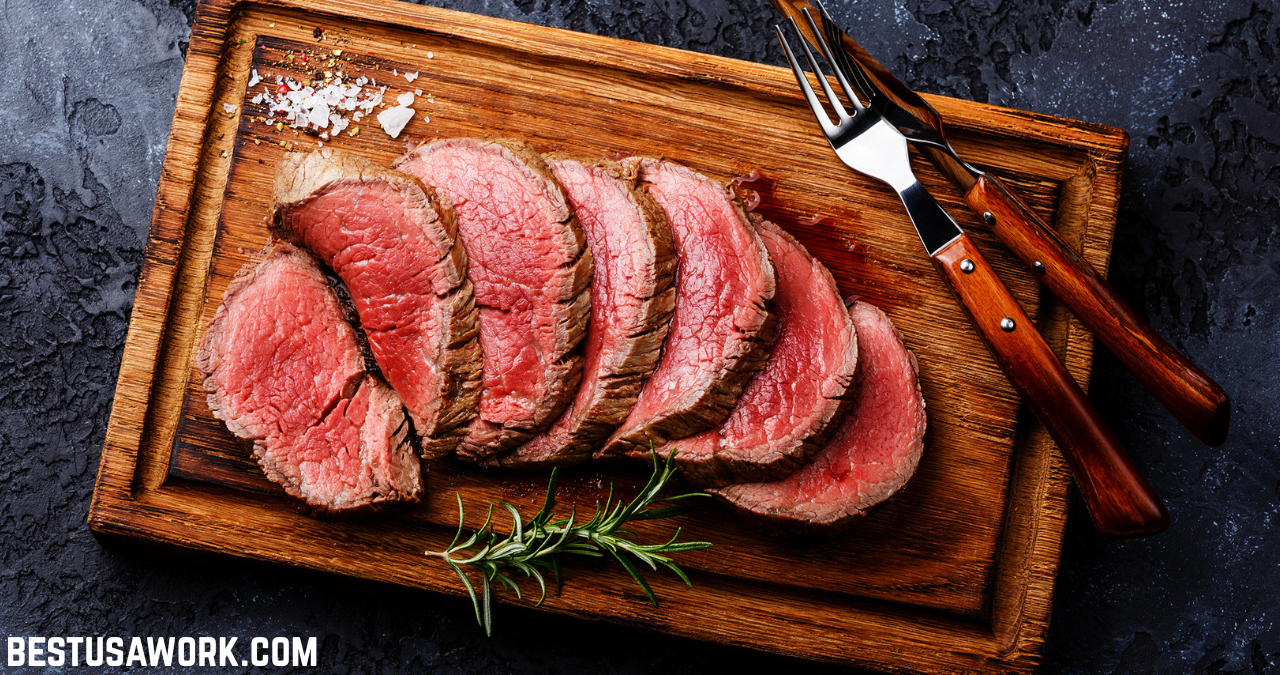
Introduction
Chateaubriand is more than just a cut of beef; it is a culinary icon that evokes the sophistication of French haute cuisine. Known for its tenderness and rich flavor, Chateaubriand has a reputation that precedes its actual presence on the dining table. This particular cut comes from the center of the beef tenderloin, making it one of the most coveted and expensive pieces of meat in the world. Its preparation and presentation are often associated with special occasions, fine dining, and classic French gastronomy, and it has held a place of prestige in the culinary world for centuries.
The allure of Chateaubriand is not only in its tenderness but also in its storied history. Named after the 19th-century French writer François-René de Chateaubriand, the dish was popularized as a method of roasting the center-cut tenderloin with precision and care. Over time, Chateaubriand has transcended its origins to become a symbol of elegance, often served with rich sauces, fresh vegetables, and perfectly paired wines. For home cooks and gourmet chefs alike, mastering Chateaubriand represents a blend of skill, timing, and an appreciation for quality ingredients.
Chateaubriand is celebrated not just for taste but also for technique. Its cooking requires careful attention to doneness, seasoning, and resting, making it a benchmark for any chef’s skill. Whether roasted traditionally in a classic French kitchen or adapted to modern culinary innovations, Chateaubriand remains an enduring representation of excellence in beef preparation. This guide will explore the history, preparation, and serving techniques of Chateaubriand, offering insights into why it remains a timeless culinary treasure.
History of Chateaubriand
The origin of Chateaubriand is steeped in both gastronomy and literature. François-René de Chateaubriand, a celebrated French writer and diplomat in the early 19th century, is credited with giving his name to this iconic dish. The story goes that a chef sought to create a tender and elegant roast that would impress high society guests, choosing the beef tenderloin’s center-cut for its extraordinary softness and flavor. Over the years, Chateaubriand became associated not only with fine dining but also with ceremonial meals, particularly in France’s aristocratic circles.
French cuisine has long valued precision, technique, and the perfect balance of flavors. Chateaubriand embodies all of these qualities. Its historical significance also comes from its role in classical French cookbooks and culinary teachings. Prominent chefs have documented recipes for Chateaubriand, emphasizing meticulous preparation and the importance of accompanying sauces and sides. The dish’s evolution reflects the broader changes in French gastronomy, from strictly traditional methods to more modern, creative interpretations that still honor its original elegance.
Chateaubriand also gained international recognition as French cuisine spread across Europe and the Americas. By the 19th and early 20th centuries, it became a benchmark for gourmet steak, representing both luxury and refinement. Today, the dish remains a favorite in high-end restaurants and culinary schools, often used to teach the art of cooking beef to perfection. Its enduring popularity demonstrates that Chateaubriand is not just a meal but a celebration of culinary heritage, technique, and indulgence.
Understanding the Cut
Chateaubriand is cut from the center of the beef tenderloin, a muscle that runs along the spine and is known for its exceptionally tender texture. Unlike other cuts, this section is low in connective tissue and marbling, which contributes to its melt-in-the-mouth consistency. Despite its subtle flavor, the tenderloin’s delicate texture allows it to absorb seasonings and sauces beautifully, making it a versatile canvas for chefs to craft a masterpiece. The Chateaubriand portion is typically larger than a standard filet mignon, making it ideal for sharing, often serving two to three people.
Understanding the distinction between Chateaubriand and similar cuts is essential for both cooking and purchasing. Filet mignon is generally smaller and cut from the same tenderloin, whereas Chateaubriand refers specifically to the thicker, central section of the tenderloin. Ribeye or sirloin steaks, in contrast, are more marbled and have stronger beefy flavors, but they lack the refined tenderness that defines Chateaubriand. Selecting the right quality of beef is crucial; premium grades such as USDA Prime or high-quality grass-fed beef ensure the best texture, flavor, and cooking experience.
Quality indicators include the color of the meat, which should be a vibrant deep red, the texture, which should be firm yet supple, and minimal fat distribution outside the tenderloin’s natural marbling. When properly selected, Chateaubriand offers a luxurious mouthfeel and a rich, buttery taste that makes it distinct from other beef cuts. Understanding these aspects is the first step toward mastering its preparation and creating an unforgettable dining experience.
Preparation and Cooking Techniques
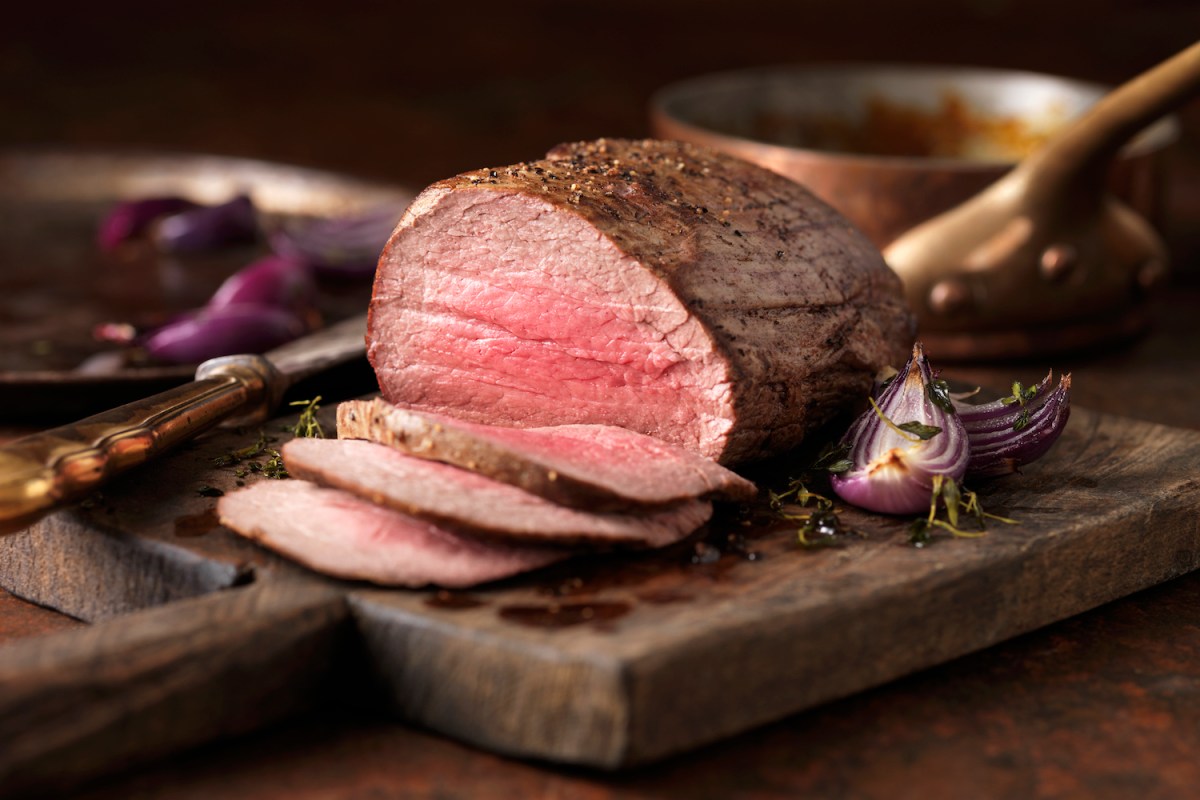
The preparation of Chateaubriand requires precision and patience. Traditional French methods emphasize roasting the center-cut tenderloin in a preheated oven after a careful sear to lock in the juices. The process begins with seasoning the meat generously with salt, pepper, and optional herbs such as thyme or rosemary. Some chefs lightly brush the meat with butter or olive oil to enhance browning and flavor. Searing in a hot pan for a few minutes on each side creates a caramelized crust while preserving the tender interior.
Cooking Chateaubriand to perfection involves monitoring temperature carefully. Medium-rare is often preferred to retain juiciness and tenderness, with internal temperatures typically around 125–130°F before resting. After roasting, allowing the meat to rest for 10–15 minutes is essential; this step enables the juices to redistribute, ensuring every slice is succulent. Pan sauces or reductions, such as Béarnaise or red wine sauce, complement the mild flavor of the meat without overpowering it. Attention to timing, temperature, and resting transforms a simple tenderloin into a Chateaubriand worthy of gourmet praise.
While traditional methods are revered, modern techniques also offer versatility. Sous-vide cooking, for example, allows precise control over temperature and tenderness, while finishing the meat with a quick sear ensures a perfect crust. Some contemporary chefs experiment with grilling or incorporating spices for subtle twists, but the underlying principle remains the same: preserving the tenderness and flavor of the center-cut tenderloin. Proper technique elevates Chateaubriand from a simple steak to an artful centerpiece that impresses both the eye and palate.
Serving Chateaubriand

Serving Chateaubriand is as much about presentation as it is about flavor. Traditionally, it is carved into thick slices and arranged elegantly on a platter, often accompanied by classic French sauces like Béarnaise or Madeira. Side dishes typically include roasted or sautéed vegetables, such as asparagus, mushrooms, or carrots, as well as rich potato preparations like gratin dauphinois. Presentation emphasizes balance: vibrant vegetables, a glossy sauce, and perfectly cooked meat create a visual and sensory feast.
Pairing Chateaubriand with wine enhances the dining experience. Full-bodied reds like Bordeaux, Cabernet Sauvignon, or Pinot Noir are excellent complements, providing a depth of flavor that harmonizes with the tender, mild meat. Attention to the dining environment also matters; serving Chateaubriand on a large platter with elegant garnishes communicates the dish’s celebratory nature. Even at home, careful plating and thoughtful pairing transform the meal into a gourmet experience reminiscent of a fine French restaurant.
Modern interpretations of serving Chateaubriand may include creative twists, such as surf-and-turf variations with lobster or shrimp, or reductions using exotic ingredients for innovative flavors. Regardless of presentation, the goal remains consistent: to showcase the tenderloin’s unparalleled texture and mild, buttery flavor. Mastery of both cooking and presentation ensures Chateaubriand retains its status as a culinary triumph and a symbol of indulgence.
Conclusion
Chateaubriand is a dish that combines history, technique, and flavor into a timeless culinary experience. Its origin as a refined French roast, paired with the unparalleled tenderness of the center-cut tenderloin, has earned it a permanent place in the world of fine dining. From careful selection of beef to meticulous cooking methods and elegant presentation, Chateaubriand represents both skill and sophistication. Its enduring appeal demonstrates why this dish remains a benchmark for gourmet excellence, inviting chefs and home cooks alike to embrace tradition while exploring creative interpretations.
FAQs
- What cut of beef is used for Chateaubriand?
The center-cut of the beef tenderloin, prized for its tenderness and subtle flavor. - How is Chateaubriand different from filet mignon?
Chateaubriand is the thicker central portion of the tenderloin, while filet mignon is smaller and from the same muscle. - What is the best way to cook Chateaubriand at home?
Pan-sear and oven-roast to medium-rare, then let it rest before slicing. - Which sauces traditionally accompany Chateaubriand?
Classic sauces include Béarnaise, Madeira, and red wine reductions. - Can Chateaubriand be grilled instead of roasted?
Yes, with careful attention to temperature to preserve tenderness.
