

Introduction to Alaskan Seiti
Alaskan Seiti, often referred to as Alaska pollock, is emerging as one of the most sought-after fish in the global seafood market. Known for its delicate flavor and versatile culinary applications, it has captured the attention of chefs, nutritionists, and health-conscious consumers alike. Unlike other whitefish varieties, Alaskan Seiti offers a subtle taste that allows it to pair effortlessly with various ingredients, making it ideal for diverse cooking styles—from baking and steaming to frying and grilling. Its rising popularity is also tied to growing consumer awareness about sustainable seafood choices, as Alaskan Seiti fisheries are recognized for responsible fishing practices that preserve marine ecosystems.
Beyond taste, Alaskan Seiti boasts impressive nutritional credentials. Rich in lean protein, omega-3 fatty acids, and essential vitamins and minerals, it fits seamlessly into diets that prioritize heart health, weight management, and overall wellness. The fish’s mild profile also makes it a perfect choice for children and those new to seafood, who may find stronger-tasting fish less appealing. Moreover, its white, flaky texture after cooking enhances the culinary experience, offering both taste and visual appeal. With global demand on the rise, Alaskan Seiti is not just a staple for home cooks but a mainstay in restaurants and processed seafood products, reinforcing its position as a versatile and sustainable food source.
Sustainability is another factor contributing to its growing appeal. Fisheries managing Alaskan Seiti populations implement strict quotas and environmentally friendly harvesting techniques. These measures ensure long-term availability and minimize ecological impact, making it a reliable choice for ethically-minded consumers. This combination of taste, nutrition, and sustainability positions Alaskan Seiti as a standout in the seafood industry, a fish that caters to both culinary creativity and responsible consumption. Its growing presence in global markets underscores a trend where quality, health, and environmental responsibility intersect in the seafood sector.
What Is Alaskan Seiti?
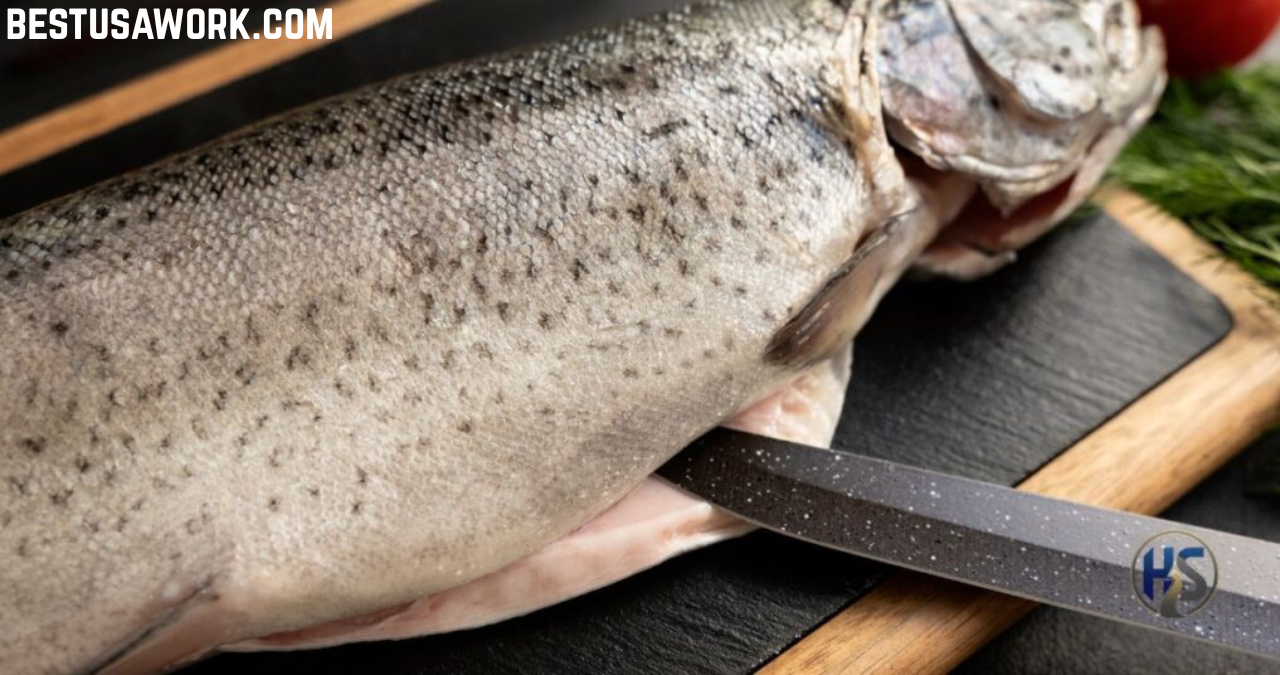
Alaskan Seiti belongs to the cod family, scientifically known as Gadus chalcogrammus. Closely related to cod and haddock, it thrives in the nutrient-rich waters of the North Pacific, particularly in the Bering Sea and the Gulf of Alaska. As a species, it is well-adapted to cold-water habitats, where low temperatures contribute to its firm yet delicate texture. The fish exhibits a streamlined body with a silvery hue and subtle markings, optimized for swift swimming in open waters. Its biological makeup allows it to convert a diet of plankton, krill, and small fish into protein-rich muscle, making it both a vital part of the marine food chain and an exceptional source of nutrition for humans.
Culinarily, Alaskan Seiti is prized for its mild, slightly sweet flavor that complements a wide array of cooking techniques. Unlike bolder fish species, it absorbs spices, marinades, and sauces well, making it highly versatile for global cuisines. Its white, flaky meat provides a satisfying texture whether baked, grilled, or incorporated into processed seafood products like fish sticks and imitation crab meat. This adaptability has cemented its status as a staple in households and commercial kitchens alike, allowing chefs to craft both traditional and innovative dishes without overpowering the dish’s other flavors.
Its popularity also stems from accessibility and affordability. Compared to cod and haddock, Alaskan Seiti is often more economical due to the scale of its fisheries and efficient harvesting methods. This cost advantage does not compromise quality, as modern processing ensures consistent freshness and texture. Combined with its mild taste and nutritional value, Alaskan Seiti is increasingly regarded as the ideal whitefish for home cooks, restaurants, and large-scale food production. This unique balance of flavor, versatility, and affordability underscores why Alaskan Seiti has become a global seafood favorite.
Nutritional Value and Health Benefits
Alaskan Seiti is not only a culinary delight but also a powerhouse of nutrition. Packed with lean protein, it provides essential amino acids necessary for muscle growth, tissue repair, and overall bodily functions. Its low-fat profile makes it ideal for weight management and heart-healthy diets, offering a protein source that supports satiety without excess calories. In comparison to other protein-rich foods like red meat or poultry, Alaskan Seiti delivers comparable protein benefits while remaining significantly lower in saturated fat.
Beyond macronutrients, Alaskan Seiti offers a range of vitamins and minerals vital for optimal health. It is rich in vitamin B12, which is crucial for nerve function, energy metabolism, and red blood cell formation. Selenium, a powerful antioxidant found in Seiti, supports immune function and protects the body from oxidative stress. Additional minerals, such as phosphorus and iodine, contribute to bone health and thyroid function, respectively. The combination of these nutrients makes Alaskan Seiti an excellent choice for individuals seeking balanced nutrition from natural, whole-food sources.
One of the most significant health benefits of Alaskan Seiti lies in its omega-3 fatty acid content. These essential fats promote cardiovascular health, support brain function, and help reduce inflammation in the body. Regular consumption of omega-3-rich fish has been associated with lower risks of heart disease, improved cognitive performance, and even reduced symptoms of chronic inflammatory conditions. For those following specific diets, such as low-calorie, high-protein, or heart-conscious plans, Alaskan Seiti provides a nutrient-dense option that fits seamlessly into daily meal planning. Its combination of high-quality protein, essential vitamins, and beneficial fats makes it one of the healthiest seafood choices available today.
Culinary Uses and Cooking Methods
Alaskan Seiti’s mild flavor and delicate texture make it a versatile ingredient in a wide range of dishes. It can be baked, grilled, pan-fried, steamed, or poached, offering cooks the flexibility to create both simple and elaborate meals. Baking is particularly popular, as it preserves moisture while allowing seasonings and herbs to infuse the fish. Grilling adds a smoky depth, while pan-frying creates a crispy exterior that contrasts beautifully with the soft interior. For those seeking lighter preparations, steaming or poaching ensures tenderness without adding additional fats.
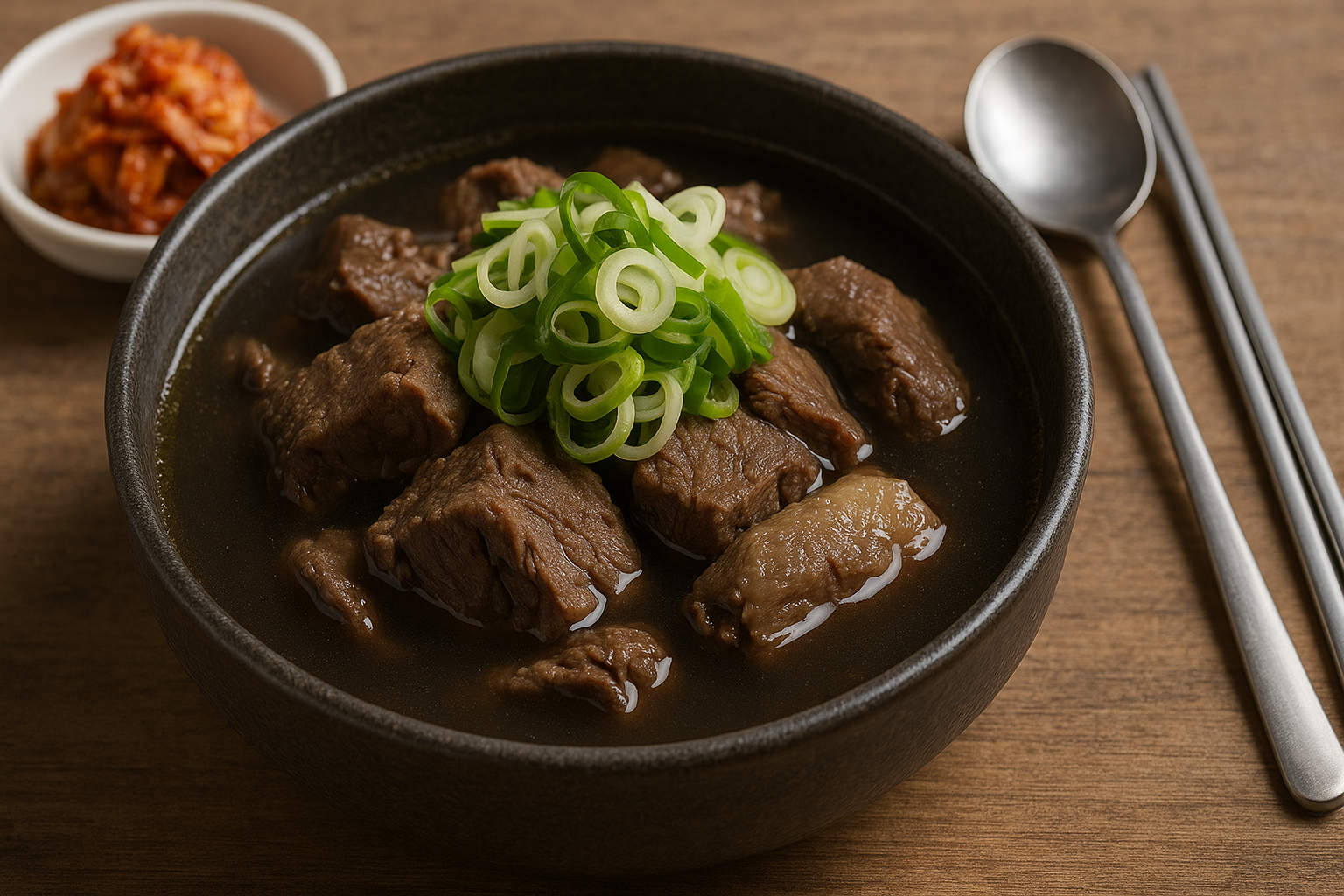
Globally, Alaskan Seiti features prominently in both traditional and modern cuisines. In Nordic countries, it is commonly baked or served in hearty fish soups, highlighting its ability to absorb complementary flavors. In Japan, it forms the base for surimi, a processed seafood product that is used in sushi, salads, and imitation crab. Western dishes also embrace Alaskan Seiti, with fish sandwiches, fish tacos, and breaded fillets becoming everyday favorites in households and restaurants. Its versatility allows chefs to experiment with diverse seasoning profiles, including citrus, garlic, herbs, and mild spices, enhancing its flavor without overwhelming the fish’s natural taste.
Cooking Alaskan Seiti successfully involves simple techniques that preserve its delicate texture. Avoiding overcooking is crucial, as the fish can become dry if left too long on heat. Pairing it with fresh herbs, light sauces, or vegetables enhances the eating experience while maintaining its nutritional integrity. Its ability to take on flavors while remaining tender and flaky is a key reason it is favored both for home cooking and commercial use. This culinary adaptability, combined with health benefits and sustainability, makes Alaskan Seiti an ideal choice for everyday meals and gourmet creations alike.
Sustainability and Global Importance

Sustainability is a cornerstone of Alaskan Seiti’s global reputation. Managed under strict fishery regulations, Alaskan Seiti populations are monitored to prevent overfishing, ensuring long-term ecological balance. Fisheries implement catch limits, seasonal closures, and environmentally responsible harvesting practices to minimize the impact on marine ecosystems. Many fisheries are certified by the Marine Stewardship Council (MSC), offering consumers assurance that their seafood is sourced responsibly. This focus on sustainability has made Alaskan Seiti a preferred choice for environmentally conscious buyers and businesses seeking to meet global seafood standards.
Economically, Alaskan Seiti plays a vital role in the seafood industry. It supports large-scale commercial fisheries and processing operations, generating employment for thousands in Alaska and contributing significantly to regional economies. Its adaptability in processed products—like fish sticks, frozen fillets, and imitation crab—ensures year-round demand, both locally and internationally. Global markets have increasingly recognized its consistency in quality, affordability, and sustainability, making it a critical component of the seafood supply chain.
The combination of nutritional value, culinary versatility, and responsible sourcing cements Alaskan Seiti as more than just a fish—it is a model for sustainable seafood consumption. By choosing Alaskan Seiti, consumers not only enjoy a delicious and healthy meal but also support practices that preserve marine ecosystems for future generations. Its growing presence in kitchens worldwide reflects a shift toward mindful, health-conscious, and sustainable eating habits.
Conclusion
Alaskan Seiti is a remarkable seafood choice that embodies taste, health, and sustainability. From its mild, flaky texture to its impressive nutrient profile, it appeals to home cooks, chefs, and health-conscious consumers alike. Its versatility in global cuisines, combined with environmentally responsible harvesting practices, makes it a standout in the crowded seafood market. As awareness about sustainable eating grows, Alaskan Seiti is poised to remain a staple in diets around the world, offering a perfect balance of flavor, nutrition, and ecological responsibility. Choosing Alaskan Seiti means embracing a fish that satisfies both the palate and the planet, ensuring a healthier future for both people and oceans.
FAQs
1. What is Alaskan Seiti?
Alaskan Seiti is another name for Alaska pollock, a mild whitefish species in the cod family found in the North Pacific Ocean.
2. Is Alaskan Seiti healthy?
Yes, it is low in fat, high in lean protein, rich in omega-3 fatty acids, and packed with essential vitamins and minerals.
3. Where is Alaskan Seiti typically found?
It thrives in cold, nutrient-rich waters of the North Pacific, including the Bering Sea and the Gulf of Alaska.
4. What does Alaskan Seiti taste like?
It has a mild, slightly sweet flavor with a delicate, flaky texture that pairs well with a variety of seasonings and sauces.
5. How is Alaskan Seiti commonly cooked?
It can be baked, grilled, fried, steamed, or poached, making it suitable for a wide range of culinary applications.
