

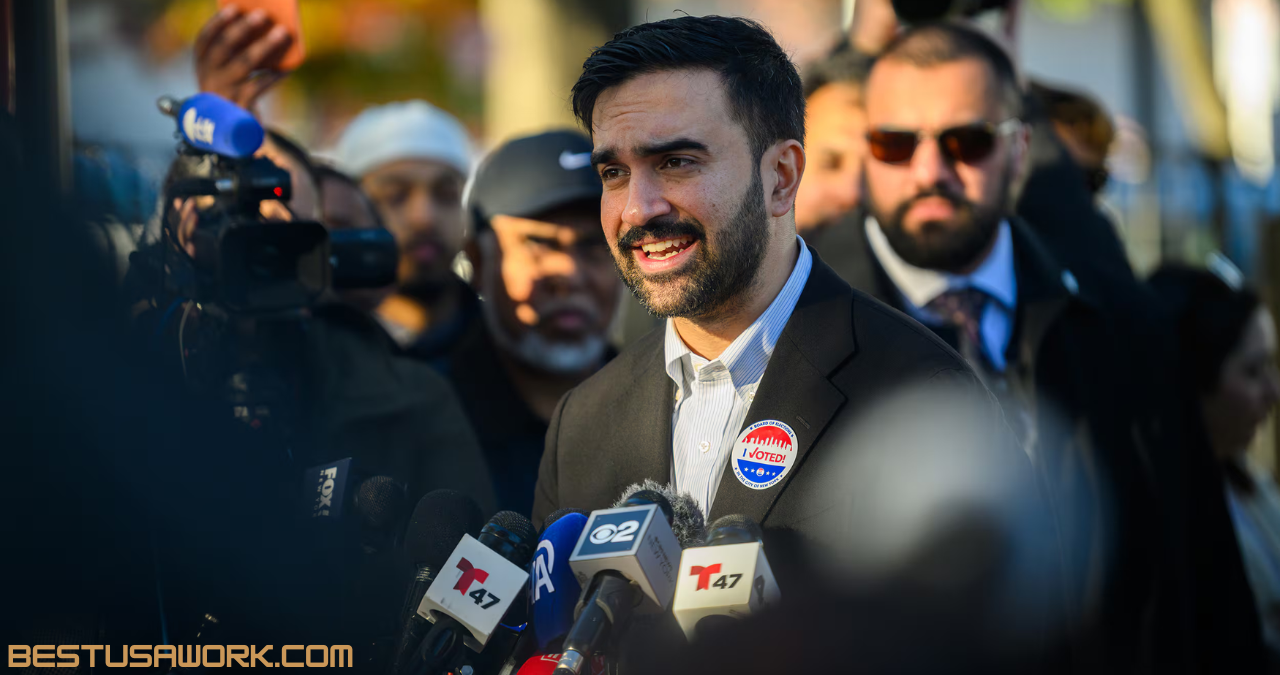
Introduction Why the New York Mayor Election Matters
The New York mayor election is one of the most closely watched political events in the United States because it shapes the future of one of the world’s most influential cities. The mayor of New York City holds significant power over policy decisions that impact over eight million residents, making the race a focal point for national political debates. From public safety and housing to transportation and education, the outcome of this election directly influences daily life in the city and often sets trends for urban governance across the country.
Beyond local importance, the New York Mayor Election race attracts global attention due to the city’s role as a financial, cultural, and media hub. Investors, policymakers, and international observers closely monitor the election to understand how future leadership might affect economic stability and business environments. The mayor’s decisions can influence Wall Street, tourism, immigration policy implementation, and climate initiatives, making it far more than a local contest. As a result, the New York mayor election is often seen as a reflection of broader political and social shifts in the United States.
Structure of New York City Government
The structure of New York City’s government is designed to balance power among multiple branches, with the mayor serving as the chief executive. The mayor oversees city agencies responsible for critical services such as policing, sanitation, education, and housing. This role also includes preparing and managing the city budget, which is one of the largest municipal budgets in the world. Because of this authority, the mayor has a direct impact on how effectively city services operate and how resources are allocated across communities.
However, the mayor does not operate alone. The New York City Council plays a crucial legislative role by passing laws, approving budgets, and providing oversight. Additionally, the mayor must coordinate with the governor of New York State, especially on issues like transportation infrastructure, public health, and emergency management. Federal government policies also influence local governance, particularly in areas like immigration and funding programs. This interconnected system ensures that the mayor’s power is significant but still balanced by other governing bodies.
Election Process and Ranked-Choice Voting System
The New York mayor election follows a structured process that begins with primary elections and concludes with the general election. Candidates typically emerge from major political parties, with the Democratic primary often being the most competitive due to the city’s strong partisan leanings. After securing nominations, candidates campaign citywide to gain support before voters head to the polls in November. The elected mayor is then inaugurated at the beginning of the following year, officially beginning their term in office.
A key feature of recent elections is the introduction of ranked-choice voting, which allows voters to rank candidates in order of preference. If no candidate receives more than 50 percent of first-choice votes, the candidate with the fewest votes is eliminated, and their votes are redistributed based on voter preferences. This process continues until a candidate achieves a majority. Ranked-choice voting encourages more diverse candidacies and reduces the impact of vote splitting, although it has also sparked debate regarding voter understanding and election complexity.
Major Candidates and Political Landscape

The political landscape of the New York mayor election is heavily influenced by party dynamics, particularly the dominance of the Democratic Party. In most recent elections, Democratic candidates have held a significant advantage due to the city’s progressive voter base. However, Republican and independent candidates still play an important role by introducing alternative policy perspectives, especially on issues like crime reduction, taxation, and business regulation. This diversity of voices contributes to a dynamic and often competitive electoral environment.
Candidates in the mayoral race typically come from a variety of backgrounds, including public service, law enforcement, business, and activism. Their campaigns focus on addressing key urban challenges while presenting themselves as capable leaders for a complex and diverse city. High-profile figures often dominate media attention, but lesser-known candidates can gain traction through grassroots support and strong debate performances. The competition among candidates highlights the importance of leadership style, policy vision, and public trust in determining electoral success.
Key Issues Driving the Election
Public safety is one of the most important issues in the New York mayor election, as residents are deeply concerned about crime rates and policing strategies. Candidates often present contrasting approaches, ranging from increasing police funding to implementing community-based safety programs. The debate over how to balance enforcement with reform remains a central theme in campaign discussions, shaping voter opinions across neighborhoods.
Housing affordability is another major concern, as rising rent prices and limited housing availability continue to challenge residents. Candidates propose various solutions, including expanding affordable housing programs, regulating rent increases, and incentivizing construction. In addition to housing, economic recovery and job creation remain critical priorities, especially in the aftermath of global disruptions. Education reform, transportation improvements, and environmental sustainability also play key roles in shaping voter decisions.
Campaign Strategies and Media Influence
Modern New York mayoral campaigns rely heavily on a combination of traditional outreach and digital engagement. Candidates participate in public debates, town halls, and community events to connect directly with voters. These traditional methods help build trust and allow candidates to present detailed policy proposals. Endorsements from influential political figures and organizations also play a significant role in shaping voter perceptions.
At the same time, digital campaigning has become essential in reaching a broader audience. Social media platforms allow candidates to communicate directly with voters, share campaign messages, and respond to current events in real time. Online fundraising has also transformed campaign financing, enabling candidates to gather support from a wide range of contributors. Media coverage further amplifies campaign narratives, with news outlets and polling data influencing public opinion throughout the election cycle.
Historical Context and Evolution of Elections
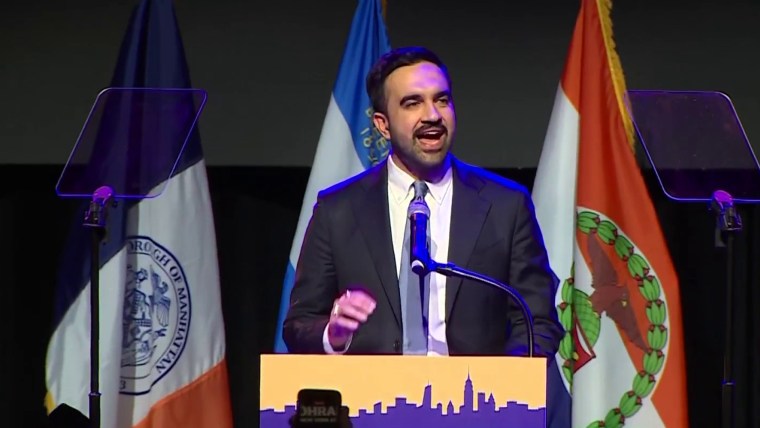
The history of the New York mayor election reflects the city’s evolving political and social landscape. Over the decades, different mayors have shaped the city through policies addressing crime, economic development, and urban renewal. Each administration has left a lasting impact, influencing how future candidates approach governance and campaign messaging.
The election system itself has also evolved to become more inclusive and representative. Changes such as campaign finance reforms and ranked-choice voting were introduced to improve fairness and encourage broader participation. These reforms aim to reduce political corruption and increase voter engagement, ensuring that elections reflect the diverse voices of New York City’s population.
Impact of Election Outcomes
The outcome of the New York mayor election has immediate and long-term consequences for the city’s future. In the short term, a new mayor can implement policy changes affecting public safety, transportation, and city services. These decisions often shape the daily experiences of residents and influence public confidence in government leadership.
In the long term, mayoral leadership can redefine the city’s economic trajectory, housing landscape, and global reputation. Policies introduced by the mayor can attract businesses, improve infrastructure, and address social inequalities. Because New York City is a global hub, its leadership decisions often influence urban policy trends in other major cities worldwide.
Conclusion
The New York mayor election is more than just a local political event; it is a powerful reflection of the city’s identity, challenges, and aspirations. As one of the most complex urban centers in the world, New York requires leadership that can navigate economic pressures, social diversity, and global influence. The election serves as a platform where competing visions for the city’s future are debated and decided.
Ultimately, the chosen mayor plays a critical role in shaping not only the lives of New Yorkers but also broader national conversations about governance, equity, and urban development. The election remains a defining moment in American politics, symbolizing the ongoing evolution of democracy in a rapidly changing world.
Frequently Asked Questions (FAQs)
Q1: How often is the New York mayor elected?
The mayor of New York City is elected every four years through a citywide election process.
Q2: What is ranked-choice voting?
It is a system where voters rank candidates in order of preference, and votes are redistributed until a candidate wins a majority.
Q3: Why is the New York mayor election important?
It influences policies affecting millions of residents and often sets trends for other major cities.
Q4: Who can run for mayor?
Candidates must meet eligibility requirements such as residency, age, and legal qualifications.
Q5: What are the biggest issues in the election?
Key issues include public safety, housing affordability, economic recovery, and education reform.
